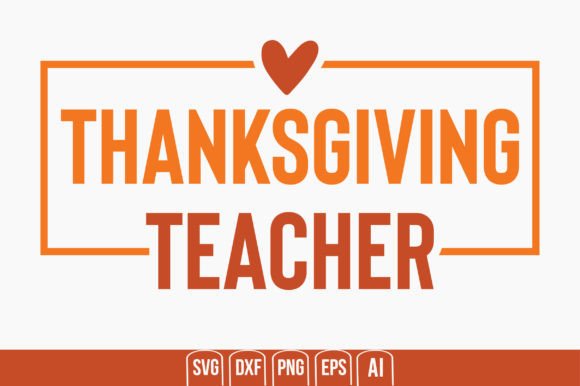
Thanksgiving Teacher Embroidery Design Review
A Warm, Handcrafted Feel for Seasonal Projects
When I first opened the Thanksgiving Teacher embroidery design, I was immediately struck by its cozy and heartfelt aesthetic. The layout is clean yet full of character—perfect for someone looking to add a personal touch to handmade or commercial items without overwhelming the fabric. This digital graphic feels like it was made with intention: every line and shape contributes to the overall theme of gratitude and celebration.
The central motif—a stylized turkey flanked by autumn leaves and a "Thank You" message—radiates warmth and approachability. It’s not too detailed, which makes it versatile for various applications, but it still holds enough personality to stand out as a quality machine embroidery design. As an experienced designer, I can tell this one will work well in both custom apparel and decorative home goods.
First Impressions and Project Suitability
What stands out most about Thanksgiving Teacher is how it naturally fits into seasonal craft projects. Whether you're planning a personalized gift or a batch of embroidered sweatshirts for your craft business, this design brings a sense of authenticity that's often missing in generic templates. Its soft lines and balanced composition suggest it could be used on everything from tote bags to aprons.
I envision this design working particularly well on a custom sweatshirt embroidery project. The turkey motif is large enough to make a statement but still retains enough detail to feel hand-stitched. For those who sell handmade products on Etsy or at local craft fairs, this design offers a fresh take on holiday themes that can elevate your offerings beyond the usual pumpkin patches and cornucopias.
Real-World Performance in Embroidery Projects
As a designer, I always consider how a file translates from screen to fabric. With Thanksgiving Teacher, I found the SVG, PNG, EPS, DXF, and JPEG files all worked smoothly in my preferred software. The vector-based elements are crisp, and the layers are clearly separated, which is a big plus when adjusting stitch types or colors.
- Tote Bag Design: The design scales well for a medium-sized tote. When using a satin stitch along the turkey’s outline and fill stitches for the body, it maintained clarity even after stitching. The text is legible and proportionally spaced, making it ideal for adding a thank-you note or name customization.
- Apparel Decorations: On a cotton sweatshirt, the design stitched cleanly with minimal puckering. However, on stretchy fabrics like spandex blends, I noticed slight distortion around the curved parts of the turkey. A good stabilizer helped reduce this issue significantly.
- Embroidered Patch: I tested the design on a felt patch with some running stitch accents. The outcome was charming and eye-catching, especially when paired with metallic thread for the leaf details. Perfect for school mugs, jackets, or even classroom accessories.
- Nursery Decor: Though not specifically designed for baby items, the Thanksgiving Teacher design could easily be adapted with softer color palettes and gentler fonts for a more delicate look. Just ensure the stitch density is adjusted for thin materials.
For commercial embroidery, this design has potential if used on standard hoop sizes and stable fabrics. It’s also great for small shop product branding—imagine a line of tea towels or pillow covers with this motif for a fall collection. The key is to let the design breathe; don’t cram it into too tight a space where the details might get lost.
Where to Use with Caution
While Thanksgiving Teacher is a solid choice for many projects, there are certain scenarios where it may need extra attention:
- Small Hoop Sizes: The turkey is fairly large, so if you're working with limited space, consider scaling down or simplifying the design before stitching.
- Textured Fabrics: On canvas or denim, the stitch definition can become muddied. Test with a light stabilizer and adjust stitch length accordingly.
- Thin or Stretchy Materials: These can cause distortion in the wings or tail feathers. Using tear-away or cut-away stabilizers is essential here.
- Dark Fabric Backgrounds: The default thread colors provided in the digital embroidery file may not pop as much on darker shades. Consider switching to white or cream threads for better visibility.
- Curved Surfaces: When applying the design to a cap or hat, the curves can affect the symmetry. Always test the placement on a mock-up or scrap piece before finalizing.
- Dense Stitch Areas: If you plan to use multiple stitch types (like a mix of satin and fill), check for over-stitching areas that might pucker or pull.
If you’re considering using this design for holiday gifts or personalized products, keep in mind that frequent washing can impact the longevity of the embroidery. Choose high-quality thread and pre-wash your fabric if necessary to maintain the integrity of the finished product.
Design Impact and Customer Perception
One of the biggest advantages of Thanksgiving Teacher is its emotional appeal. The design evokes a sense of gratitude and warmth, which is exactly what customers expect from a Thanksgiving-themed item. It adds visual interest without being garish, making it suitable for both casual and more polished handmade product designs.
In terms of product value, this design can help justify a slightly higher price point, especially if you're selling seasonal graphics or boutique-style merchandise. Customers appreciate thoughtful, thematic designs that reflect their values or interests—this one hits that sweet spot perfectly.
For Etsy sellers and small shop owners, the design supports brand consistency when used across a range of products. Imagine a cohesive line of embroidered mugs, aprons, and totes all featuring variations of this graphic. It helps build recognition and trust, especially during the busy holiday season.
Designer Tips for Optimal Results
Here are some practical notes based on my experience working with the Thanksgiving Teacher design:
- Test on Scrap Fabric First: Always run a trial stitch to see how the design behaves on your chosen material. This is especially important for stretchy or delicate fabrics.
- Check Thread Color Contrast: Depending on your fabric choice, the default colors may not provide the best contrast. Swap them out for more visible hues if needed.
- Review Stitch Density: Lower stitch density works well for lightweight materials, while heavier fabrics may require tighter stitches to prevent gaps.
- Confirm Hoop Size: Ensure your machine’s hoop is large enough to accommodate the design comfortably. Don’t force it into a smaller hoop unless you're ready to simplify or crop.
- Inspect Small Details: The design includes subtle elements like feather outlines and leaf patterns. Make sure they’re visible in your final preview and won’t get lost post-stitching.
- Use Black and White Mockups: This helps visualize how the design will look with different thread combinations and fabric textures.
- Compare Light and Dark Backgrounds: The same design can have drastically different results depending on the fabric tone. Always test both extremes.
- Use Proper Stabilizer: Especially for applique design applications or stretchy materials. A good stabilizer prevents shifting and ensures a smooth finish.
- Check Licensing Before Selling: If you plan to sell finished products or digital versions of this design, confirm whether the license allows for commercial use. Many digital graphics come with restrictions that must be respected.
Final Thoughts on Thanksgiving Teacher
Thanksgiving Teacher isn’t just another seasonal graphic—it’s a design with real personality and usability. While it shines brightest on medium to large surfaces with stable fabrics, a little preparation goes a long way in ensuring its success across different embroidery projects.
It’s a strong contender for anyone in the crafts world looking to create meaningful, high-quality graphics for clients or their own collections. Whether you're a seasoned decorator or a hobbyist expanding into custom work, this design provides a foundation for creating something truly special.
Remember, the key to great embroidery is testing. Don’t skip the step of experimenting with thread colors, stabilizers, and fabric types. Your effort will translate into better customer engagement and a stronger professional image for your handmade shop or digital storefront.